Quick answer: Mid-summer is a fine time to remove dead, damaged, or hazardous limbs and to do light shaping. It’s the wrong time for heavy structural pruning, major cuts during peak heat, or pruning spring-flowering trees and oaks. The best timing depends on your goal, not just the season.
Summer arrives, the yard looks full and green, and a lot of homeowners decide it’s the perfect moment to “tidy up” the trees. That instinct makes sense. The weather is nice, you’re already outside, and the branches are easy to reach. But pruning at the wrong time for the wrong reason can stress your trees, slow their healing, and even invite disease.
So is mid-summer a good time to prune? Sometimes yes, sometimes no. This guide breaks down when summer pruning helps, when it hurts, and how to tell which situation you’re dealing with. By the end, you’ll know exactly what’s safe to cut now and what’s better left for later.
The Quick Answer: It Depends on Your Goal
Pruning timing isn’t about picking the “right month” on a calendar. It’s about why you’re cutting in the first place.
If your goal is safety or removing dead wood, you can prune almost any time of year. If your goal is shaping the tree’s structure or encouraging better growth, the dormant season usually wins. Keep that distinction in mind and most of your timing questions answer themselves.
When Does Mid-Summer Pruning Make Sense?
Plenty of pruning jobs are perfectly safe in summer. Here’s when reaching for the saw makes sense.
- Removing dead, damaged, or diseased limbs. These cuts are safe any time of year. Dead wood isn’t helping the tree, and leaving it up only raises the risk of it falling.
- Clearing storm-damaged branches. Niagara and Erie County see their share of rough weather. Cutting back cracked or hanging limbs before the next storm rolls through protects your home and family.
- Correcting hazards near structures. Branches crowding your roof, driveway, or power lines are a problem worth solving now, not later.
- Light shaping and removing suckers. Trimming water sprouts and root suckers keeps the tree’s energy going where it should. Just keep the cuts modest.
- Judging the canopy. With the tree in full leaf, it’s far easier to spot what’s actually dead versus what’s alive and well. Summer gives you a clear read on the canopy.
According to the University of Minnesota Extension, dead, diseased, or hazardous branches can and should be removed whenever you find them.
When Should You Wait to Prune?
Other jobs are better saved for a different season. Cutting at the wrong moment can do real harm.
- Heavy structural pruning belongs in dormancy. Late winter, before new growth starts, is the ideal window for big shaping cuts. The tree heals faster and faces less stress.
- Skip major cuts during peak heat. A heat wave already stresses a tree. Large wounds on top of that make it harder for the tree to recover.
- Wait on spring-flowering trees. Trees like dogwood, magnolia, and crabapple should be pruned right after they bloom. Cut them mid-summer and you’ll likely lose next year’s flowers.
- Be careful with oaks. Oaks pruned in warm months are vulnerable to oak wilt, a serious disease spread by beetles drawn to fresh cuts. The U.S. Forest Service recommends avoiding oak pruning during the active growing season for this reason.

What Are the Risks of Pruning at the Wrong Time?
Bad timing isn’t just a missed opportunity. It can set a tree back for years. Here’s what can go wrong:
- Added stress. Hot-weather cuts force the tree to spend energy healing when it’s already working hard to survive the heat.
- Slow healing. Wounds made at the wrong time close more slowly, leaving the tree exposed for longer.
- Sunscald. Removing too much foliage suddenly exposes bark that was shaded for years. That bark can burn in direct sun.
- Pests and disease. Fresh cuts in warm months attract insects and the diseases they carry, oak wilt being a prime example.
- Fewer flowers. Prune a flowering tree at the wrong moment and you may cut off the buds set for next spring.
What Are the Signs a Tree Needs Attention Right Now?
Some problems shouldn’t wait for the dormant season. Call for tree service help if you spot any of these:
- Dead or hanging limbs, especially over a roof, walkway, or driveway
- Branches touching or rubbing against your house, garage, or power lines
- Limbs crossing and rubbing each other, which creates open wounds
- Obvious signs of disease, like oozing bark, large fungal growth, or sudden leaf drop
Safety always comes first. A clearly dangerous limb is a now problem, not a next-season problem.
DIY vs. Calling a Pro: Which Should You Choose?
Some pruning is a reasonable weekend project. Some of it isn’t.
Choose DIY if the deadwood is small, low to the ground, and easy to reach with both feet planted. A pair of hand pruners or a small saw will handle light shaping and a few low suckers just fine.
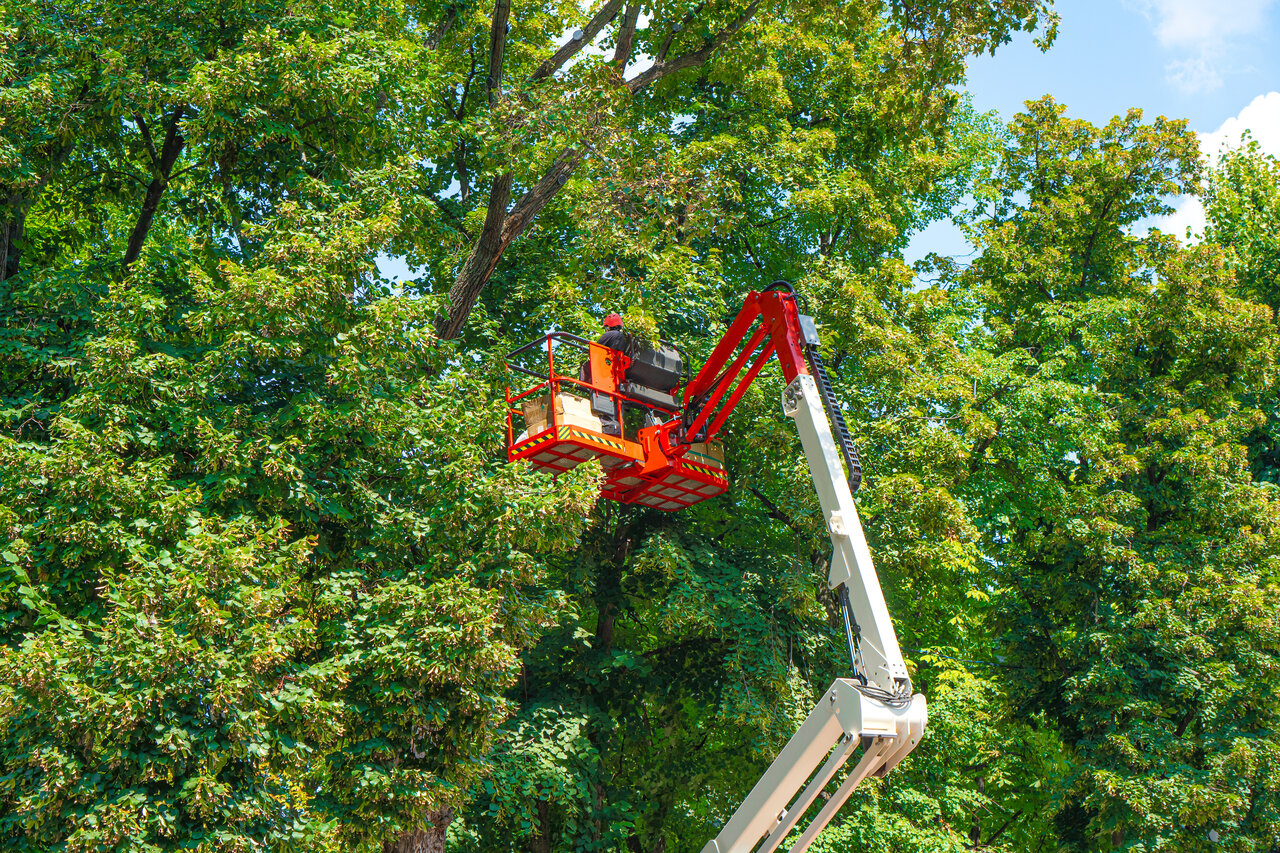
Call a professional if the work involves large limbs, height, ladders, or anything near power lines. Those jobs carry real risk, and they’re best handled by trained, insured crews with the right gear.
At Timber Services LLC, our fully licensed and insured team handles everything from a single hazardous limb to large, complex removals using cranes and specialized equipment. We’re a local, family-owned business serving Niagara and Erie County, NY, and we’re available 24/7 for emergencies. New customers get $100 off, and seniors receive a 10% discount.
The Bottom Line on Summer Pruning
Mid-summer pruning isn’t simply good or bad. It depends on your goal. Removing dead, damaged, or hazardous limbs? Go ahead. Planning major structural cuts or working with oaks and spring-flowering trees? Wait for the right window.
If you’re not sure which camp your tree falls into, don’t guess. Call Timber Services LLC at 716-417-0253 for a free same-day estimate, and let our local experts assess your trees and recommend the safest plan. Reach out 24/7 and keep your property safe all season long.
Frequently Asked Questions
Is it bad to prune trees in summer?
Not always. Summer is a safe time to remove dead, damaged, or hazardous branches and to do light shaping. It’s a poor time for heavy structural pruning, major cuts during heat waves, or pruning oaks and spring-flowering trees.
Can I prune a tree during a heat wave?
It’s best to avoid large cuts during peak heat. High temperatures already stress trees, and big wounds make recovery harder. Stick to removing clearly dead or dangerous limbs if you must cut during hot weather.
Why shouldn’t I prune oak trees in summer?
Oaks pruned in warm months are at higher risk of oak wilt, a fatal disease spread by beetles attracted to fresh cuts. The U.S. Forest Service recommends avoiding oak pruning during the active growing season.
When is the best time to prune most trees?
For heavy or structural pruning, late winter during dormancy is usually best. The tree heals faster and faces less stress. Spring-flowering trees are the exception and should be pruned right after they finish blooming.
Should I hire a professional or prune myself?
Small, low, reachable deadwood is fine to handle yourself. Anything large, high, or near power lines should be left to certified professionals. Timber Services LLC offers free same-day estimates for jobs across Niagara and Erie County, NY.
tree care tree pruning tree removal tree removal cost
Last modified: June 19, 2026


