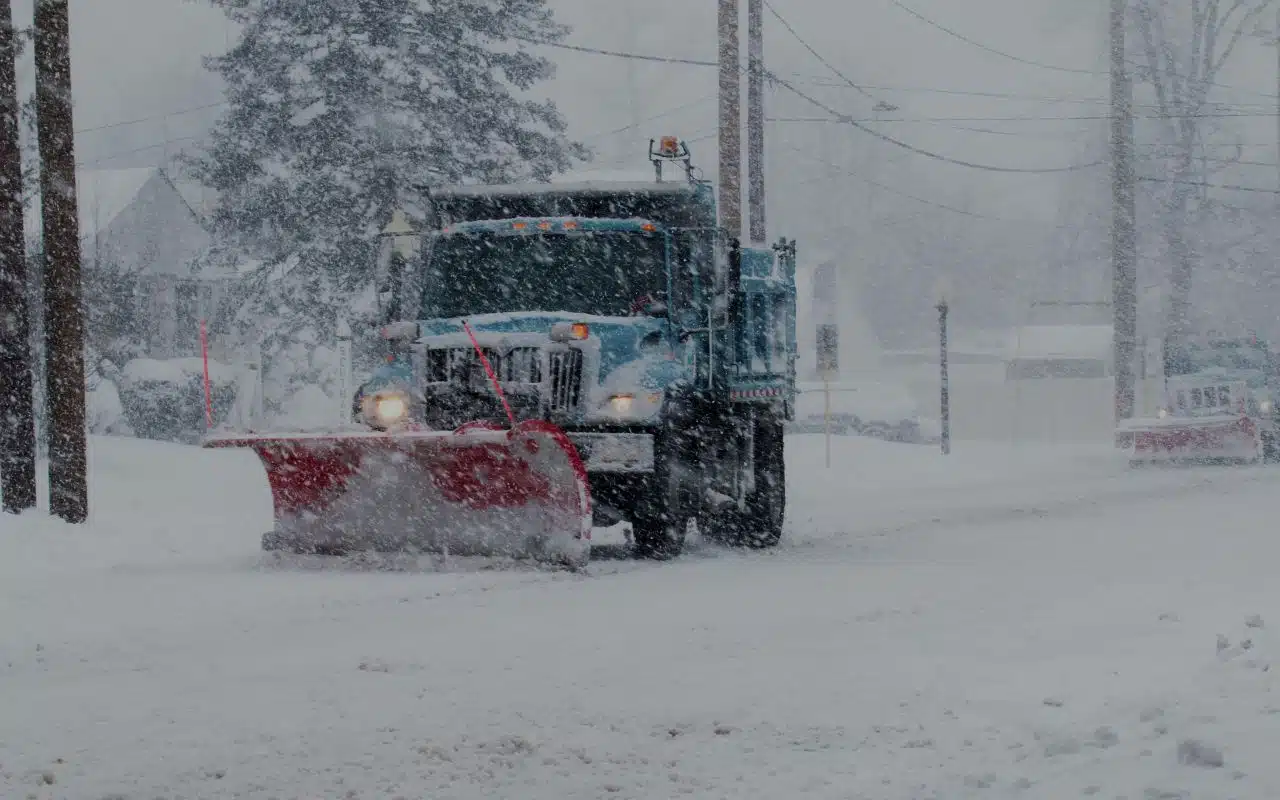
When winter hits, commercial property owners aren’t just battling snow—they’re managing safety, liability, and curb appeal all at once. A clean, well-managed lot isn’t just about looking good for customers; it’s about keeping people safe, protecting your pavement and landscaping investment, and staying on the right side of regulations and insurance requirements.
Here’s how professional snow plowing—done correctly—protects your commercial driveways, parking lots, and surrounding landscape, and why having experienced operators on site makes a real difference.
1. Safety and Liability: Why Your Lot Can’t Be an Ice Rink
For commercial properties, the legal bar is higher than for homeowners. Injury lawyers regularly remind business owners that they have a heightened duty of care to keep parking lots, walkways, and entrances reasonably safe in winter. Failure to manage snow and ice can open the door to slip-and-fall claims and expensive litigation Rosenberg & Gluck
OSHA also emphasizes that employers must keep walking-working surfaces free of hazards, specifically including snow and ice. Their winter weather guidance recommends clearing snow and ice promptly and using de-icer to reduce slips, trips, and falls on walking surfaces. OSHA
A professional snow plowing program helps you:
- Keep entrances, crosswalks, and loading zones clear and accessible
- Reduce slip hazards that can injure employees, customers, and delivery drivers
- Show you’ve taken “reasonable steps” to maintain safe conditions—important if a claim ever arises
This isn’t just convenience; it’s part of a risk management strategy for your business.
2. Blade Height: Protecting Pavement, Curbs, and Surfaces
Anybody can push snow. The difference is how they treat your asphalt, concrete, and curbing.
If a plow blade is set too low, it can:
- Gouge or scrape asphalt
- Chip or crack concrete
- Shear off raised manhole covers or catch on drain grates
- Smash curbs that are hidden under snow
Industry guidance often recommends setting the cutting edge slightly above the surface (around a half inch) so most of the snow is cleared without direct contact that can damage the pavement. MFCP
Professional operators understand how to adjust:
- Blade height for different surfaces and conditions
- Down pressure to avoid grinding the edge into your lot
- Rubber or poly edges in sensitive areas to minimize damage
Over an entire winter, that technique can mean thousands of dollars saved in avoided pavement repairs and curb replacement.
3. Smart Snow Pile Placement: More Than “Just Push It Somewhere”
Where the snow goes matters just as much as how it’s plowed.
Poor pile placement can:
- Block sightlines for drivers entering or exiting your lot
- Obstruct fire hydrants, emergency exits, and loading docks
- Cover storm drains and cause flooding when meltwater refreezes
- Crush shrubs, trees, and turf under heavy, salty piles
Snow removal best-practice guides for contractors stress the importance of stacking snow away from entrances, traffic lanes, emergency access areas, and hydrants, and keeping piles low enough not to obscure stop signs or intersection views. WESTERN® Snow & Ice Control Products
A professional plowing plan will:
- Identify designated snow storage zones before the season starts
- Keep piles out of high-visibility customer areas and priority parking
- Avoid pushing snow where meltwater will run across walkways or ramps and refreeze
The result is a more organized, safer lot that continues to function even during prolonged winter storms.
4. Protecting Your Landscaping from Salt and Snow Load
Your commercial landscape—trees, shrubs, turf, and planting beds—represents a significant investment. Unfortunately, it’s also on the front line in winter.
Snow loads and physical damage
Heavy piles pushed into planting beds can:
- Break branches
- Crush shrubs and ornamental grasses
- Strip bark from young trees
On top of that, snow from the lot often contains deicing salt. As those piles melt, the salt-laden water soaks into surrounding soil and roots.
University extension services have documented how deicing salts can injure or kill landscape plants, degrade soil structure, and contribute to long-term decline in trees and turf near roads and parking lots. University of Minnesota Extension
Professional plow operators help protect your landscaping by:
- Avoiding pile placement in tree lawns, planting islands, and mulched beds whenever possible
- Keeping snow piles away from sensitive evergreens and shallow-rooted shrubs
- Working with your landscaping plan to balance safety and plant health
Combined with smarter, targeted salt use and alternative traction materials (like sand or grit where appropriate), this preserves your curb appeal from winter through spring.
5. Turf and Curb Protection: Less Damage, Lower Repair Bills
Commercial sites often have strips of turf along drives, medians in parking lots, or grass bordering sidewalks. These areas are easy targets for damage when a plow operator misjudges the edge of the pavement.
Poor technique can lead to:
- Sod and topsoil being peeled back by the plow blade
- Rutting along the edges of the lot
- Repeated hits to curb faces and corners, breaking concrete or heaving pavers
Snow and ice equipment manufacturers and contractor resources highlight curbing as one of the most commonly hit obstacles, especially when it’s buried under snow. Marking curbs and edges and training operators to read the site are key ways to reduce this damage. kageinnovation.com
Professional snow services will typically:
- Use plow stakes or markers to outline curbs, islands, and hazards
- Adjust blade angles near delicate edges
- Document pre-season conditions so any damage can be tracked and minimized
This means fewer spring repairs—and fewer phone calls to paving and concrete crews.
6. Why a Trained Professional Operator Matters
The equipment is only half the story. The operator’s skill and judgment are what protect your property.
Experienced commercial plow operators:
- Understand how different storm types (powder, wet snow, sleet, ice) affect timing and technique
- Know when to pre-treat with de-icer vs. when to plow first and salt after
- Adjust speed, blade angle, and passes to avoid windrows blocking entrances or ADA ramps
- Communicate with property managers about changing conditions and priority areas
From a safety perspective, they also work in line with OSHA recommendations for winter hazards—helping keep key walking surfaces as clear and dry as possible to prevent slips, trips, and falls. OSHA
In short, a professional operator is not just “driving a truck with a plow.” They’re an extension of your safety and facilities team, helping you keep operations running smoothly in tough conditions.
7. Turning Snow Plowing into a Strategic Asset for Your Business
When you look at the full picture—liability, safety, pavement longevity, landscaping protection, and your brand image—snow management is more than a winter chore. It’s a strategic investment in your commercial property.
Partnering with a professional snow plowing company can help you:
- Reduce slip-and-fall risk and support your risk management program
- Extend the life of your asphalt, curbs, and concrete
- Protect your trees, shrubs, and turf from physical and salt damage
- Keep your site welcoming, functional, and safe—even in the worst storms
If you’re ready to upgrade your winter strategy, Timber Tree Service understands commercial sites, has trained operators, and is willing to walk your property before the snow flies to plan blade heights, pile placement, and protection for your landscape. That’s how professional snow plowing truly protects your driveway, lot, and landscaping all winter long. Call Timber Tree Service to get a quote today.
commercial snow plowing snow plowing snow plowing wny snow safety
Last modified: March 8, 2026


